Frozen Crabs Can Save the Day but Here’s What Fresh-Caught Flavor Does Better
Fresh and Frozen Are Not the Same Experience
Frozen crabs can be a convenient choice when fresh seafood is unavailable, but they do not always deliver the same experience as live or freshly prepared Maryland crabs. The difference often appears in the texture, moisture, aroma, and overall flavor of the meat. When comparing fresh vs frozen Maryland crabs, it is important to consider how the crab was handled before freezing, how long it was stored, and how it will be prepared. A properly frozen crab can still be useful, but fresh preparation usually offers the most satisfying version of a traditional Maryland seafood meal.
What Fresh Maryland Crabs Bring to the Table
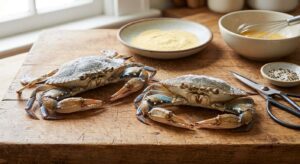
Fresh Maryland crabs offer a texture that is difficult to match. When live crabs are steamed soon after preparation, the meat usually remains moist, firm, and naturally sweet. The shell also holds the seasoning well, creating a stronger connection between the spices and the crab. Fresh crab texture is especially noticeable in the claws and body sections. The meat should separate naturally while remaining tender. It should not feel watery, dry, or overly soft. At a quality fresh crab restaurant, live crab preparation allows the kitchen to control the timing from steaming to serving. That shorter process helps preserve crab meat moisture and brings out the natural flavor of Maryland blue crabs.
What Happens When Crabs Are Frozen?
Freezing helps extend shelf life and makes seafood available outside local harvesting periods. However, the freezing process can affect the structure of the meat. Ice crystals may form inside the crab, and these crystals can damage delicate muscle fibers. After thawing, some frozen crabs may release excess liquid. This can lead to a softer texture and slightly weaker flavor. The result depends heavily on the original quality of the crab, the speed of freezing, the storage temperature, and the thawing process. Frozen blue crab quality can vary widely. A crab that was frozen quickly and stored correctly may perform reasonably well, while one that experienced temperature changes may lose much of its original taste and texture.
Fresh vs Frozen Maryland Crabs: Main Differences
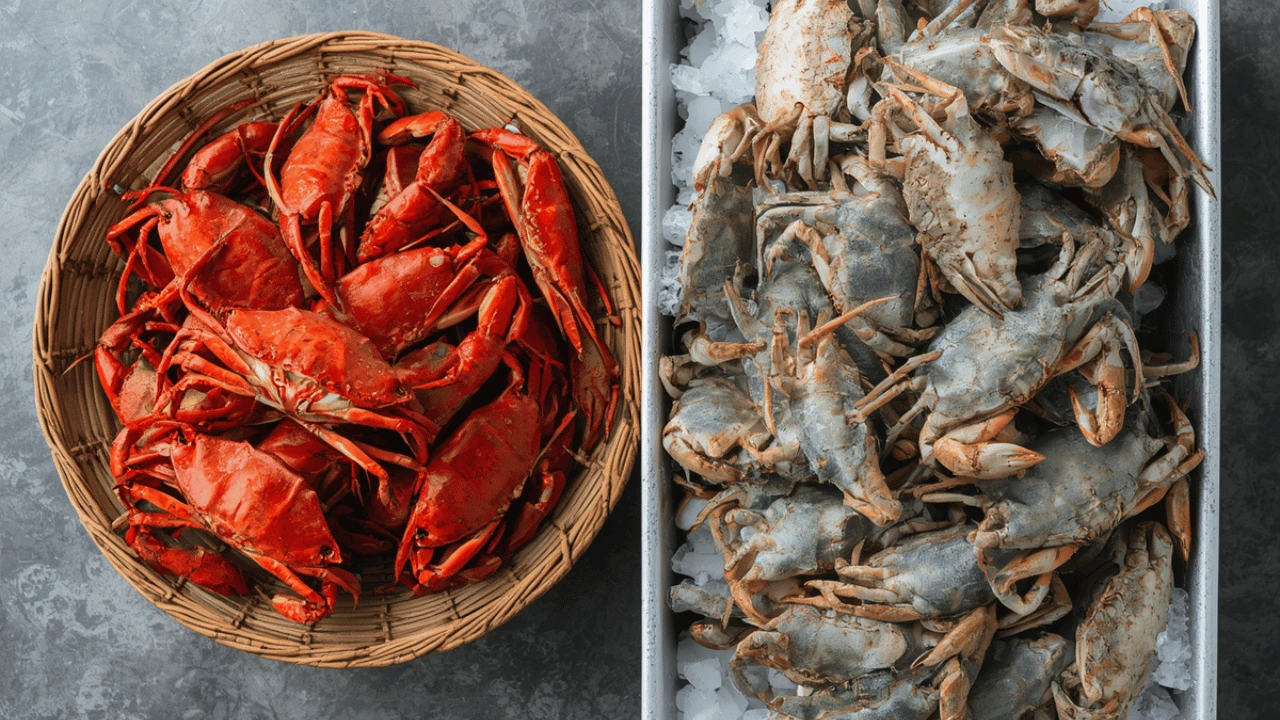
The most noticeable difference in a Maryland seafood comparison is the eating experience. Fresh crabs generally offer better moisture, firmer meat, and a cleaner aroma. Frozen crabs provide convenience, but their texture may be softer after thawing. Fresh crabs are often preferred for traditional steamed crab meals because the shell, seasoning, and meat work together more naturally. Frozen crabs may be more suitable for recipes where the meat is removed from the shell and combined with sauces, fillings, or other ingredients. The choice also depends on timing. If you are hosting a crab feast and want the classic Baltimore experience, fresh preparation is usually the stronger option. If availability or storage is the main concern, frozen crabs can still serve a practical purpose.
Why Steamed Crab Flavor Is Better When Fresh
Steaming fresh crabs allows the seasoning to settle over the shell while the meat cooks in its natural moisture. This creates the bold, savory aroma associated with Maryland steamed crabs. Fresh crabs also retain more of their natural sweetness. The seasoning enhances the meat instead of competing with it. When the crabs are served hot, the aroma adds another layer to the meal before you even begin picking. Frozen crabs can still be seasoned, but the flavor may not feel as deep or balanced after thawing. Some moisture loss can reduce the way the meat carries seasoning, leaving the overall taste less vibrant.
Does Freezing Always Ruin Crab Quality?
Freezing does not automatically make crab unusable. The final quality depends on several factors, including how fresh the crab was before freezing and how carefully it was stored. A high-quality frozen crab may still have good flavor when handled correctly. It can be useful for crab cakes, soups, dips, pasta, or other dishes where texture differences are less noticeable. The problem usually comes from poor freezing or improper storage rather than freezing alone. For a seafood buying guide, the key question is not simply whether the crab is frozen. You should also ask when it was frozen, how it was stored, and whether it was thawed and refrozen.
How to Protect Crab Quality at Home
Proper crab storage tips can help preserve freshness whether you are working with live, steamed, or frozen crabs. Live crabs should be kept cool and properly ventilated rather than submerged in fresh water. Steamed crabs should be refrigerated promptly and consumed within a safe period. Frozen crabs should remain fully frozen until you are ready to prepare them. Thawing them slowly in the refrigerator is generally better than leaving them at room temperature. Avoid repeated freezing and thawing because temperature changes can further damage the meat. Even with careful storage, fresh crab is best enjoyed soon after preparation. The longer crab sits, the more likely it is to lose moisture, aroma, and texture.
Baltimore Crab Quality Starts with Sourcing
Baltimore crab quality depends on more than whether a crab is labeled fresh or frozen. Sourcing, transportation, storage, steaming, and serving time all influence the final result. A reliable seafood provider should be able to explain where the crabs come from and how they are handled. Customers should also look for a clean aroma, firm meat, intact shells, and seasoning that complements rather than hides the crab’s natural taste. The focus is on preparing Maryland-style seafood with attention to freshness and flavor. Customers can enjoy steamed crab meals that are prepared for convenient takeout without having to manage live crab preparation at home.
When Frozen Crabs Make Sense
Frozen crabs can be a sensible choice in certain situations. They may work well when fresh crabs are out of season, when a specific size is unavailable, or when you are preparing a recipe that uses crab meat as one component among several. They are also convenient for planned meals because they can be stored until needed. For home cooks, frozen crab may provide more flexibility than live seafood, especially when shopping several days before an event. However, if your goal is the full Maryland crab experience with hot shells, bold seasoning, fresh aroma, and satisfying meat, the fresh option remains difficult to replace.
Why Fresh Crabs Work Best for a Traditional Feast
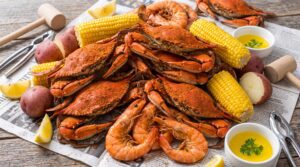
A traditional Maryland crab feast is about more than the food itself. It is about gathering around a table, cracking shells, sharing seasoning, and enjoying the meal at a relaxed pace. Fresh crabs support that experience because they provide the texture and aroma people expect from a classic seafood gathering. Every crack reveals the condition of the meat, and the process feels connected to Maryland’s coastal food culture. For customers who want an authentic Baltimore seafood meal, ordering from a fresh crab restaurant is often the easiest way to get that experience without handling live crabs themselves.
Choose Fresh Flavor at Cravin Crabs
When comparing fresh vs frozen Maryland crabs, fresh preparation delivers the strongest combination of texture, moisture, aroma, and steamed crab flavor. Frozen crabs can be helpful when convenience matters, but they may not provide the same quality for a traditional crab feast. Cravin Crabs offers Maryland-style seafood prepared with care for customers in Halethorpe and the Baltimore area. Visit 4609 Annapolis Rd, Halethorpe, MD 21227, or place a takeout order and enjoy a fresh seafood meal prepared for your table. Whether you are planning a family gathering or simply craving Baltimore crab quality, choosing carefully handled fresh crabs can make the difference between an ordinary dinner and a memorable Maryland seafood experience.