The Chesapeake-to-Table Story What Local Watermen Bring to Maryland Crab Culture
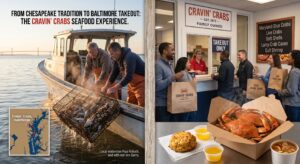
For Maryland seafood lovers, a plate of steamed blue crabs represents much more than a prepared seafood dish. Behind the meal is a connection between the Chesapeake Bay, generations of watermen, seasonal crab harvesting, seafood businesses, and the communities that have built a culinary tradition around blue crabs. Understanding that connection provides a different perspective on what makes Maryland Chesapeake blue crabs such an important part of local food culture. The Chesapeake blue crab, scientifically known as Callinectes sapidus, is one of the Bay’s most recognizable species and supports both commercial and recreational fisheries. Maryland’s Department of Natural Resources identifies blue crabs as one of the most important species harvested in the Bay, while the Chesapeake Bay Program describes them as a signature Chesapeake species with ecological, economic, and cultural importance. For Cravin’ Crabs, that connection is particularly direct. The business is owned by local watermen Paul Koluch and his son Barry, and the company describes its history as a second-generation family seafood business established in 1972. Its story is rooted in Baltimore, commercial crabbing, and generations of experience working on the Chesapeake Bay.
What Does “Waterman” Mean in Maryland Seafood Culture?
The term Maryland watermen refers to people whose livelihoods are connected to harvesting seafood from the Chesapeake Bay and surrounding waters. Commercial watermen work with fisheries such as blue crab, oysters, and other aquatic resources, using specialized equipment and knowledge developed through experience on the water. Crabbing is not simply a matter of putting equipment in the Bay and collecting whatever comes up. Harvesters work within regulations governing crab size, season, gear, catch limits, and other conditions. Maryland’s current commercial Chesapeake Bay regulations specify different requirements for hard crabs, peeler crabs, soft crabs, and mature female hard crabs. That regulatory framework is an important part of the Chesapeake-to-table story. The seafood reaching Maryland customers comes from a fishery that is actively monitored and managed, with rules designed to control harvest and protect the resource.
The Chesapeake Bay Blue Crab Connection
Blue crabs are closely associated with the Chesapeake Bay because the Bay provides important habitat throughout their life cycle. Maryland DNR notes that submerged aquatic vegetation areas provide nursery habitat for juvenile blue crabs and shelter for molting crabs, which are especially vulnerable during the period when their shells are soft. The Bay is therefore more than a harvesting location. Its water quality, habitat, weather conditions, salinity, and seasonal patterns all influence the environment in which blue crabs live. The Chesapeake Bay Program describes blue crabs as both predators and prey within the Bay food web and notes that environmental conditions, habitat, and harvest pressure can all influence their abundance. This ecological context helps explain why Maryland’s crab industry is connected not only to seafood culture but also to ongoing conservation and fishery-management efforts.
How Local Watermen Connect the Bay to the Seafood Market
The work of a waterman creates the first link between the Chesapeake and the seafood market. A harvested crab must be handled properly, sorted according to applicable requirements, and moved through the seafood supply chain while maintaining quality. This is where practical knowledge becomes important. Experienced crabbers understand the working conditions of the Bay, seasonal crab movements, harvesting methods, handling requirements, and the behavior of the animals. Much of that knowledge is developed through years of direct experience rather than through a single instruction manual. Maryland DNR also operates programs involving commercial crabbers and biologists to collect information about the size, sex, and life stages of commercially harvested blue crabs. The agency’s Cooperative Data Collection Program uses both crabber sampling and biologist observations to understand the commercial fishery better.
The result is a seafood system in which watermen are not simply suppliers. They are also participants in the broader knowledge base used to understand and manage the fishery.
Generational Knowledge Is Part of Maryland Crab Culture
Crabbing has a strong generational component in many Chesapeake communities. Skills, locations, seasonal observations, boat handling, gear use, crab behavior, and seafood handling practices can be passed from one generation to the next. Cravin’ Crabs provides a direct example of that tradition. The company identifies Paul Koluch and his son Barry as local watermen and describes a family history involving fishing and crabbing on the Chesapeake Bay. According to the business, Paul became a full-time commercial waterman after years of pursuing fishing and crabbing, while Barry grew up working on his father’s crabbing boat and later returned to the family’s seafood business. That family connection gives the Chesapeake-to-table concept a concrete meaning. The knowledge associated with Maryland blue crabs is not only something found in historical descriptions of the region. It can remain part of an active family business and continue into another generation.
From Local Blue Crabs to Baltimore Crab Culture
Baltimore’s crab culture developed within the larger Chesapeake seafood tradition. The city and surrounding communities have long been connected to the Bay and to the seafood businesses that prepare and sell its resources. Steamed blue crabs became particularly associated with social gatherings because the food naturally encourages people to sit together, work through the shells, share the meal, and spend time around the table. The preparation is interactive, and the experience is often as much about the gathering as the food itself. The Chesapeake Bay Program describes blue crabs as one of the region’s most recognizable species and emphasizes their importance to commercial and recreational fisheries. That combination of economic importance and cultural familiarity helps explain why Chesapeake blue crabs remain such a recognizable part of Baltimore-area seafood culture.
What Makes Local Maryland Blue Crabs Meaningful?
The phrase local blue crabs can mean different things depending on the business and the season. For Cravin’ Crabs, the current website states that most of its crabs are locally caught from Maryland and the Chesapeake Bay. It also explains that during the off-season, the business sources crabs from Louisiana so it can remain open year-round. That distinction is important because local availability is seasonal. A responsible description of Maryland seafood should not imply that every crab sold throughout the entire year was harvested locally from the Chesapeake. Instead, the value of local Maryland crabs comes from their connection to the regional fishery when those crabs are available. During the appropriate season, customers can enjoy seafood connected directly to Maryland waters and the watermen who work there.
Why Proper Crab Handling Matters
Harvesting the crab is only one part of getting quality seafood from the Bay to the customer. Proper handling after harvest is equally important because blue crabs are a perishable seafood product. Cravin’ Crabs describes its approach as catching crabs locally, treating the blue crabs correctly, and then steaming them. The business also describes its experience with soft-shell crabs, explaining that its watermen monitor crab bins and watch for crabs that have completed the molting process. This attention to handling demonstrates why seafood quality cannot be reduced to where an animal was caught. Harvest location, timing, handling, storage, preparation, and final cooking all contribute to the experience that reaches the customer.
The Science Behind the Chesapeake Crab Fishery
Maryland’s blue crab fishery is supported by ongoing scientific monitoring. The Maryland Department of Natural Resources conducts surveys to track blue crab abundance, size, distribution, and other population characteristics. The 2026 Blue Crab Winter Dredge Survey estimated total Chesapeake Bay blue crab abundance at 349 million, including an estimated 228 million juveniles, 37 million adult males, and 81 million adult females. The survey provides a snapshot of the crab population before the upcoming season and is used alongside other information to inform management.
Maryland also conducts a summer trawl survey that has operated since 1977. The survey samples Maryland portions of the Chesapeake Bay to collect information about blue crab size, abundance, and distribution.
These monitoring efforts show that Chesapeake crab culture is connected to both tradition and modern fisheries science. Generations of watermen continue their work on the Bay while researchers and managers collect data to help guide decisions about the fishery.
Why Crab Regulations Matter to the Chesapeake-to-Table Story
Regulations can sometimes seem distant from the experience of eating steamed crabs, but they are directly connected to the seafood that reaches the table. Minimum sizes, seasons, gear restrictions, catch requirements, and other rules determine what can legally be harvested.
Maryland’s current commercial Chesapeake Bay regulations establish different minimum sizes and conditions for hard crabs, peeler crabs, and soft crabs and include specific rules for mature female hard crabs. The regulations are subject to change, so harvesters are responsible for following the current requirements.
For customers, this means that the Maryland crab tradition exists within a managed fishery. Enjoying Chesapeake blue crabs is connected to a larger system involving watermen, regulators, scientists, seafood businesses, and consumers.
Authentic Maryland Crabs Start With the Connection to the Bay
Authenticity in Maryland crab culture is not simply about putting seasoning on a crab or serving it in a particular type of container. It is connected to the history of the Chesapeake, the species itself, the people who harvest it, and the regional traditions that have developed around it.
That is why Maryland Chesapeake blue crabs carry such a strong cultural identity. The blue crab is native to the Chesapeake ecosystem, commercially important to the region, and deeply established within Maryland’s seafood traditions.
For a Baltimore-area customer, eating locally caught Maryland blue crabs during the season can therefore be part of a much longer Chesapeake story. The meal represents the final stage of a process that begins on the water.
Cravin’ Crabs and the Watermen Behind the Seafood
Cravin’ Crabs has a particularly direct connection to this story because the business is owned by local watermen. Its current About Us page identifies Paul Koluch and his son Barry as the owners and describes the family’s multigenerational relationship with fishing and crabbing. The business was established in 1972 and continues to operate as a carryout crab house.
The company states that most of its crabs are locally caught from Maryland and the Chesapeake Bay, while Louisiana-sourced crabs are used during the off-season to maintain year-round availability. This sourcing approach gives customers an important distinction between local Chesapeake availability and off-season sourcing rather than presenting every crab as Maryland-caught throughout the year.
The business also offers live and steamed crabs, allowing customers to choose between purchasing live crabs for preparation at home and ordering steamed crabs prepared by the crab house.
From Watermen to the Maryland Seafood Table
The journey from Chesapeake water to a Maryland seafood table involves more than a single transaction. It begins with an ecosystem that supports blue crabs, continues through the work of commercial watermen, operates within a regulated fishery, and eventually reaches seafood businesses that prepare the product for customers.
Each stage contributes something different. The Chesapeake provides habitat. Watermen provide harvesting expertise. Fisheries managers establish and enforce regulations. Scientists monitor the resource. Seafood businesses handle and prepare the crabs. Customers ultimately become part of the tradition by choosing to support and enjoy the region’s seafood.
That is the deeper meaning behind the Chesapeake-to-table concept. It connects the natural resources, the working waterfront, the seafood industry, and the culinary traditions of Maryland.
Protecting the Tradition for the Future
The future of Maryland crab culture depends on the continued health of the Chesapeake Bay and responsible management of its blue crab fishery. The Chesapeake Bay Program identifies harvest pressure, habitat loss, pollution, and environmental conditions as factors that can affect blue crab abundance.
Fishery management therefore matters to more than commercial harvesters. It also matters to seafood businesses, recreational crabbers, coastal communities, and consumers who want Chesapeake blue crabs to remain part of Maryland’s food culture.
The continued monitoring of the crab population, enforcement of harvest regulations, protection of Bay habitats, and improvement of water quality all contribute to the long-term picture. Maryland’s blue crab tradition is strongest when the cultural value of the crab is supported by a healthy and responsibly managed ecosystem.
Experience the Maryland Chesapeake Blue Crab Tradition
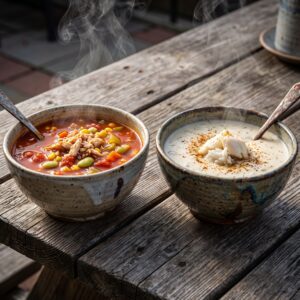
Cravin’ Crabs brings a direct waterman connection to the Baltimore-area seafood experience. The second-generation family business is owned by local watermen and focuses on Maryland blue crabs, steamed seafood, soft crabs, crab cakes, soups, shrimp, and other seafood selections.
Located at 4609 Annapolis Rd, Halethorpe, MD 21227, Cravin’ Crabs operates as a carryout crab house, with orders prepared for pickup. Customers can call (410) 636-2722 when planning an order or checking current availability.
A plate of Maryland blue crabs is therefore more than the final product of a seafood menu. When those crabs come from the Chesapeake during the local season, they represent a connection to the Bay, the watermen who work its waters, the science and regulations that help manage the fishery, and the Maryland families who have kept crab traditions alive across generations. That Chesapeake-to-table connection is what gives Maryland blue crabs their place in Baltimore crab culture and makes an authentic Maryland crab experience about more than the food itself.