How Weather & Seasonality Affect Crab Availability in Maryland
Maryland blue crabs are central to the state’s food culture, but availability is never random. It follows climate cycles, water temperatures, harvest regulations, and natural breeding patterns. Understanding crab seasonality Maryland helps customers make informed decisions about when to buy, what to expect in terms of size and pricing, and why availability sometimes fluctuates. For seafood businesses like Cravin’ Crabs in Baltimore, monitoring seasonal shifts ensures customers consistently receive quality products. Whether you are planning a crab feast or simply craving seafood, understanding how weather patterns influence supply can help you time your purchase and ensure freshness.
The Science Behind Crab Seasonality in Maryland
The concept of crab seasonality Maryland is directly linked to the life cycle of the blue crab and the conditions of the Chesapeake Bay. Blue crabs become more active when water temperatures rise. Warmer months increase feeding activity and movement, which makes harvesting more efficient. Commercial crabbing typically peaks between late spring and early fall. During colder months, crabs enter a semi-dormant state, burrowing into mud to conserve energy. This biological behavior significantly reduces harvest yields. Because of this predictable cycle, seafood suppliers plan their operations around the Maryland blue crab season, ensuring they source responsibly while maintaining the consistent quality that Baltimore residents expect.
How Weather Patterns Influence Crab Supply
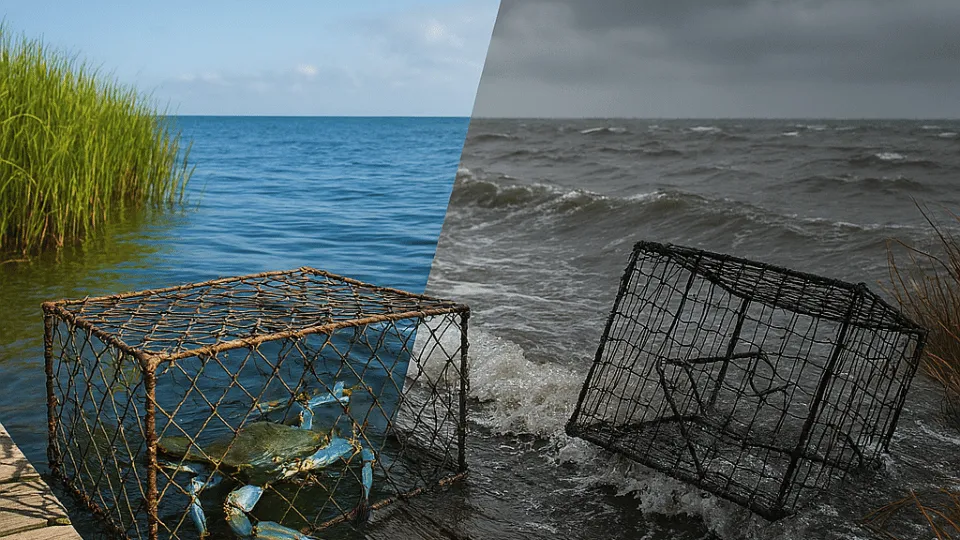
Beyond natural seasonal cycles, short-term climate variations create noticeable changes in availability. The weather’s impact on the seafood market can be immediate. Heavy rainfall reduces salinity levels in the Chesapeake Bay, affecting crab migration patterns. Sudden cold fronts can slow crab movement, reducing daily catch volume. Storm activity also disrupts harvesting schedules. High winds and rough waters prevent watermen from accessing key crabbing areas. As a result, supply temporarily tightens, and pricing adjustments may follow. These fluctuations demonstrate why the Chesapeake Bay crab supply is closely monitored throughout the year. Businesses that understand these shifts can adapt quickly to maintain steady access to the fresh crabs Baltimore customers demand.
Peak Summer Months: The High Season Advantage
During peak summer months, crab seasonality Maryland reaches its strongest point. Warmer waters promote crab molting and growth, increasing availability of larger, meatier crabs. This period often delivers the highest-quality harvests and more competitive pricing due to greater supply. For customers, summer represents the ideal time to plan gatherings centered around fresh crabs Baltimore seafood traditions. Restaurants and seafood markets experience increased demand, especially during weekends and holidays. Understanding seasonal crab prices Maryland helps consumers recognize why summer often provides better value compared to early spring or late fall, when supply is more limited.
Fall Transition and Shifting Availability
As temperatures begin to decline in early fall, crab activity gradually slows. Harvests may remain steady in early autumn, but supply becomes more sensitive to sudden weather changes. Cooler nights influence crab movement, and availability can vary week to week. This transitional period highlights the ongoing influence of weather on seafood supply chains. Businesses that rely on the Chesapeake Bay crab supply must stay responsive, adjusting purchasing and distribution strategies to maintain product freshness. Customers may still find quality crabs during this time, but planning ahead becomes increasingly important.
Winter Dormancy and Limited Harvest
Winter brings the most dramatic effects of crab seasonality Maryland. Blue crabs burrow into sediment when water temperatures drop significantly. Harvesting becomes minimal, and local supply decreases substantially. During these colder months, businesses may rely on carefully managed sourcing strategies while prioritizing freshness and quality control. This is when seasonal crab prices in Maryland often rise due to limited availability. Despite these challenges, experienced seafood providers like Cravin’ Crabs continue offering dependable options for customers seeking fresh crabs Baltimore seafood year-round.
Sustainability and Regulatory Factors
Seasonality is not driven solely by weather. State regulations play an essential role in protecting long-term crab populations. Controlled harvesting periods, size limits, and conservation guidelines ensure the sustainability of the Maryland blue crab season. Responsible management supports stable Chesapeake Bay crab supply levels over time. By respecting these guidelines, seafood businesses contribute to ecological balance while preserving access for future generations. Understanding the regulatory side of crab seasonality Maryland helps customers appreciate the balance between demand and environmental responsibility.
Why Freshness Matters in Every Season
Regardless of the time of year, freshness remains the most important factor in seafood quality. Seasonal variations may influence volume and pricing, but proper handling and preparation determine taste and texture. Reputable suppliers monitor daily the impact of weather on seafood conditions to adjust sourcing practices. This ensures customers consistently receive high-quality fresh crabs Baltimore is known for. At Cravin’ Crabs, freshness is prioritized through reliable sourcing aligned with Maryland blue crab season cycles. Customers can expect careful selection and traditional preparation methods that preserve natural flavor.
Planning Around Seasonal Crab Prices
One of the most practical outcomes of understanding crab seasonality in Maryland is cost planning. During peak harvest periods, increased supply often stabilizes pricing. During limited-harvest months, reduced Chesapeake Bay crab supply can increase market prices. By staying informed about seasonal crab prices in Maryland, customers can strategically plan events, gatherings, and large orders during optimal periods. This approach maximizes value without sacrificing quality. Seafood markets that closely monitor environmental conditions are better positioned to offer competitive pricing while maintaining standards.
Trusting a Local Expert in Baltimore
For customers in Baltimore, working with a knowledgeable seafood provider helps mitigate the uncertainty weather and seasonality can create. Cravin’ Crabs understands how crab seasonality Maryland influences availability and adjusts sourcing strategies accordingly. Located at 4609 Annapolis Rd, Baltimore, MD 21227, and reachable at 410-636-2722, Cravin’ Crabs remains committed to providing dependable access to fresh crabs Baltimore customers trust. By carefully tracking weather impact seafood conditions and monitoring Chesapeake Bay crab supply, the business ensures consistent quality throughout the year.
Final Thoughts
Weather, water temperature, regulations, and natural life cycles all shape crab seasonality in Maryland. These factors determine when crabs are most abundant, when pricing fluctuates, and how supply chains adapt. By understanding these seasonal patterns, customers can make informed purchasing decisions and appreciate the complexity behind every crab feast. Whether planning a summer gathering or ordering during cooler months, choosing a trusted local provider ensures quality regardless of seasonal shifts.
Cravin’ Crabs continues to serve Baltimore with expertise rooted in experience, sustainability awareness, and a deep understanding of Maryland’s unique seafood environment.