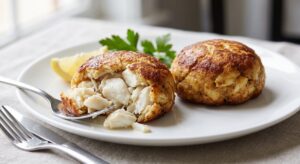
Maryland Crab Cakes Beyond the Filler What to Look for in a Quality Crab Cake
A good crab cake should taste like crab first. That sounds simple, but the quality of a crab cake depends on much more than whether it contains crab meat. The type and amount of crab meat, the way it is handled, the balance of binder and seasoning, and the cooking method all influence the final result. For anyone searching for Maryland crab cakes Baltimore seafood lovers can enjoy, understanding these details makes it easier to recognize a well-prepared crab cake.
Maryland has a long-standing crab cake tradition, and the dish can be prepared in different ways. The Maryland State Archives describes crab cakes as cakes made from crabmeat combined with ingredients such as onions, crackers or breadcrumbs, Worcestershire sauce, egg, and mayonnaise, with variations depending on the recipe. The important point is that supporting ingredients should complement the crab rather than overwhelm it. At Cravin’ Crabs in Halethorpe, lump crab cakes are part of the homemade seafood selection and are prepared for takeout. This gives local customers another way to enjoy Maryland seafood beyond whole steamed blue crabs.
What Actually Makes a Quality Crab Cake?
Crab cake quality starts with the relationship between crab meat and the ingredients holding it together. A crab cake needs enough structure to remain intact during cooking, but excessive binder can change the character of the dish. When the mixture contains too much breading or other supporting ingredients, the crab can become difficult to identify by flavor and texture.
This does not mean that every quality crab cake must contain almost nothing besides crab. Maryland crab cake recipes traditionally use binders and seasonings for structure and flavor. The Maryland Department of Agriculture has published Maryland-style crab cake recipes using jumbo lump crab meat alongside mayonnaise, mustard, Worcestershire sauce, egg, breadcrumbs, and seasonings. The goal is balance: the supporting ingredients should help form the cake without making the crab secondary.
Why the Type of Crab Meat Matters
Crab meat comes in different grades and textures, and the selection affects the finished crab cake. Lump crab meat is valued for its larger pieces, which can remain noticeable after the mixture is formed and cooked. This makes lump meat particularly suitable for preparations where visible pieces of crab are part of the eating experience.
A Maryland lump crab cake should retain enough of that crab character to make the ingredient immediately apparent. When the meat is heavily broken down and mixed with too many other ingredients, the finished cake can lose the texture that customers expect from a crab-focused dish.
Jumbo lump crab cake preparations take this principle further by emphasizing larger, substantial pieces of crab meat. The exact texture will depend on how the crab meat is handled and combined, but the basic idea remains the same: the crab should remain the defining ingredient rather than simply serving as one component of a heavily seasoned mixture.
Lump Crab Cakes Baltimore Customers Often Look For
When people search for lump crab cakes Baltimore restaurants offer, they are often looking for a crab cake where the meat itself remains noticeable. Larger pieces can provide a more substantial bite and make the cake feel distinctly seafood-focused.
That is particularly relevant in a Maryland seafood setting, where crab is not just another ingredient. The flavor of Maryland crab is traditionally allowed to remain prominent, while seasoning and binding ingredients provide structure and additional character.
Cravin’ Crabs lists lump crab cakes among its homemade items and describes its crab cake offering as part of its broader Baltimore seafood selection. For customers who already enjoy steamed Maryland blue crabs but want a prepared crab option, a lump crab cake provides a different format without moving away from crab as the centerpiece.
Binder Is Important, But It Should Not Take Over
The term “filler” is often used negatively when people talk about crab cakes, but some form of binder is necessary in many traditional preparations. Without it, a crab cake can struggle to hold together during shaping and cooking. Eggs, mayonnaise, breadcrumbs, crackers, mustard, and similar ingredients can all contribute to structure depending on the recipe.
The issue is proportion rather than the mere presence of a binder. A well-balanced crab cake should hold together while still giving the customer a clear impression that crab meat makes up the heart of the dish.
This is one reason the texture of the finished cake matters so much. If the inside resembles a dense bread-based mixture with small pieces of crab scattered throughout, the crab becomes difficult to appreciate. When the interior remains moist and contains identifiable pieces of crab, the experience is very different.
Texture Is One of the Best Indicators of a Good Crab Cake
Texture provides important clues about how a crab cake was prepared. The exterior should generally develop enough color and firmness to create contrast with the softer interior. Inside, the crab should remain tender rather than becoming dry, rubbery, or excessively compact.
Cooking plays a major role here. Too much heat or too much cooking time can dry out the interior, while insufficient browning can leave the exterior without the contrast that makes a crab cake satisfying. The exact cooking method can vary, including baking, broiling, sautéing, or other approaches, so the important consideration is whether the method preserves the crab’s texture while properly cooking the mixture.
A quality crab cake should therefore have structure without becoming hard and a tender interior without becoming mushy. That balance is part of what separates a carefully prepared crab cake from one that holds together.
Seasoning Should Support the Crab
Seasoning is another area where restraint matters. Mustard, Worcestershire sauce, herbs, spices, and other ingredients can add complexity, but a crab cake should not require aggressive seasoning to taste interesting.
Maryland-style crab cake recipes can vary considerably, and official Maryland recipes demonstrate that ingredients such as mustard, Worcestershire sauce, parsley, and Old Bay-style seasoning can be incorporated into the mixture. These ingredients contribute flavor, but the amount and combination can significantly change the final profile.
Cravin’ Crabs also makes an important distinction on its current website: its steamed crabs and shrimp use a special J.O. Spice blend, while Old Bay is used in some homemade items. That distinction matters when discussing its crab cakes because the seasoning approach for a homemade preparation should not automatically be confused with the seasoning used on its steamed crabs.
Freshness Still Matters After the Crab Is Mixed
Turning crab meat into a cake does not make freshness irrelevant. The quality of the crab meat still influences flavor, aroma, moisture, and texture. Fresh seafood should have a clean, natural aroma, while the crab meat should retain its characteristic flavor rather than tasting dominated by strong sauces or seasoning.
Handling also matters. Crab meat is delicate, and unnecessary rough treatment can affect its structure before the mixture is even formed. Larger pieces can lose some of their visual and textural appeal if they are excessively broken apart during preparation.
For fresh crab cakes Baltimore customers are choosing from a local seafood business, preparation details therefore matter alongside the ingredient list. A crab cake is ultimately a prepared seafood product, so the quality of the underlying crab meat remains fundamental.
The Exterior Should Add Contrast, Not Hide the Center
The outside of a crab cake is important, but it should not become the entire experience. A properly cooked exterior can provide a lightly crisp or browned surface that contrasts with the tender crab-rich interior.
This is where cooking technique becomes especially noticeable. A crust that is excessively thick can create the same problem as excessive binder inside the mixture: it can make the crab feel secondary. A thinner, well-cooked exterior allows the center to remain the focus.
The ideal result depends on the particular preparation, but the principle is consistent. The exterior should provide texture and color while allowing the crab cake’s interior to remain the main attraction.
Maryland Crab Cakes Are About Balance, Not a Single Recipe
There is no single recipe that defines every Maryland crab cake. Different cooks and seafood businesses use different combinations of crab meat, binder, seasoning, and cooking techniques. Even official Maryland recipes show variations in ingredients and preparation methods. That means customers should be cautious about judging a crab cake solely by whether it follows one specific ingredient list. What matters more is whether the preparation achieves the qualities associated with a well-made crab cake: recognizable crab flavor, appropriate moisture, balanced seasoning, good structural integrity, and a satisfying contrast between the exterior and interior. This approach is particularly useful when comparing Baltimore crab cakes from different seafood businesses. Instead of focusing on one ingredient, consider the entire eating experience.
What to Look for When Ordering Crab Cakes
When ordering a crab cake from a Baltimore crab house, pay attention to how the menu describes the preparation. Terms such as lump crab meat can tell you something about the type of meat being used, while descriptions emphasizing homemade preparation can indicate that the item is prepared by the business rather than being a generic pre-made product.
It is also useful to consider whether the crab cake is offered as part of a broader seafood menu. A business specializing in Maryland seafood may have experience working with crab in multiple forms, from steamed blue crabs to crab cakes, soups, dips, and other preparations.
At Cravin’ Crabs, crab cakes are included alongside steamed Maryland blue crabs, shrimp, snow crab clusters, soups, crab dip, shrimp salad, and other seafood selections. This allows customers to choose a prepared crab dish while still ordering from a menu centered around Maryland-style seafood.
Homemade Crab Cakes as a Takeout Seafood Option
Homemade crab cakes can be particularly convenient when you want Maryland seafood without the hands-on process of eating whole steamed crabs. Instead of opening shells and picking meat, customers can enjoy a prepared crab dish that can be paired with other seafood or sides.
For a takeout meal, this also makes crab cakes flexible. They can serve as the primary seafood item for someone who prefers prepared crab, or they can complement steamed shrimp, blue crabs, corn, potatoes, or other selections.
Cravin’ Crabs operates as a carryout crab house at 4609 Annapolis Rd in Halethorpe, Maryland, and its current menu identifies lump crab cakes as a prepared homemade item. Customers can therefore enjoy crab cakes as part of a pickup seafood order rather than needing to dine in.
Why Crab Cake Quality Goes Beyond the Word “Filler”
The debate around filler can sometimes oversimplify what makes a crab cake good. A quality crab cake is not determined by one ingredient alone. Crab meat selection, moisture, texture, seasoning, cooking technique, structure, and freshness all contribute to the final result.
The real test is whether the supporting ingredients work with the crab instead of competing with it. When the cake holds together, develops a satisfying exterior, retains a tender center, and delivers recognizable crab flavor, the preparation succeeds at its most important job.
For customers searching for Maryland crab cakes Baltimore seafood businesses offer, looking beyond the filler question can lead to a much more useful evaluation. The better question is whether the entire preparation allows the crab to remain the star.
Enjoy Maryland Crab Cakes at Cravin’ Crabs
Cravin’ Crabs offers lump crab cakes as part of its homemade seafood selection, alongside Maryland blue crabs, steamed shrimp, snow crab clusters, soups, crab dip, shrimp salad, and other seafood choices. Its carryout format makes crab cakes a practical option for enjoying Maryland seafood at home or adding a prepared crab dish to a larger seafood order.
Located at 4609 Annapolis Rd, Halethorpe, MD 21227, Cravin’ Crabs serves Baltimore-area customers looking for traditional and prepared Maryland seafood. For customers who want to explore the difference between a shell-on crab feast and a carefully prepared crab cake, its menu offers both experiences in one local seafood destination.
A quality crab cake should never make you wonder where the crab went. From the first bite to the last, the meat, texture, seasoning, and preparation should work together to deliver what a Maryland crab cake is supposed to deliver: a satisfying taste of the Chesapeake seafood tradition.