The Baltimore Crab Season Explained Size, Availability, Flavor, and What Locals Look For
If you have spent any time around Baltimore, you already know that blue crabs are more than just another seafood choice. They are part of the region’s food culture, especially when a table is covered with steaming crabs, seasoning, corn, and plenty of time set aside for picking every last bit of meat. But what actually happens during Baltimore crab season? When are Maryland blue crabs available, how does seasonality affect what you see at a local crab house, and does the time of year really change the flavor or quality of the crabs?
For local seafood lovers, understanding the season can make ordering crabs much more interesting. Crab size, availability, shell condition, sourcing, and the way the crabs are prepared all influence the experience. Here is a closer look at the Maryland crab season and what Baltimore-area customers should know before ordering their next crab feast.
What Does Baltimore Crab Season Actually Mean?
When people talk about Baltimore crab season, they are usually referring to the period when blue crab harvesting is active in Maryland and the Chesapeake Bay. The official commercial harvest rules are more specific than simply saying “crab season starts in spring and ends in fall.” Maryland’s current regulations establish seasonal periods for hard crabs, peeler crabs, and soft crabs, with specific size requirements and other harvesting conditions. For example, Maryland’s commercial Chesapeake Bay regulations currently list hard blue crab harvesting from April 1 through November 30, with different minimum sizes during portions of the season.
That distinction matters because the regulatory season describes when and under what conditions crabs can be harvested. It does not necessarily mean that a Baltimore seafood business suddenly has no crabs available when the local harvest period ends. Cravin’ Crabs, for example, offers both steamed and live crabs and states that most of its crabs are locally caught from Maryland and the Chesapeake Bay. During the off-season, the business sources high-quality crabs from Louisiana to maintain availability throughout the year. So, for customers, “seasonal” and “available” are not always the same thing.
When Is Maryland Crab Season?
The Maryland blue crab calendar follows the biology of the Chesapeake Bay crab population as well as state harvesting regulations. Maryland’s current commercial Chesapeake Bay rules list the hard-crab season from April 1 through November 30, with different minimum size requirements during the season. Peeler and soft crab regulations also have their own dates and size requirements. The timing is closely connected to the blue crab’s natural life cycle. Chesapeake Bay blue crabs grow by molting, shedding their existing shells and developing larger ones. The Chesapeake Bay Program explains that young blue crabs molt frequently as they grow, while older crabs may go much longer between molts. Temperature, migration, reproduction, growth, and habitat conditions all influence the crab population throughout the year. Blue crabs mate from May through October in the brackish waters of the Chesapeake Bay, while females later migrate toward the lower, saltier portion of the Bay. This natural cycle is one reason Maryland crab season is so closely associated with warmer months.
Why Chesapeake Blue Crabs Are So Important to Baltimore Seafood Culture
The connection between Baltimore and Chesapeake blue crabs is deeply rooted in the region’s seafood traditions. Blue crabs are one of the Chesapeake Bay’s most important commercial and recreational catches. The species is also strongly connected to Maryland’s local food identity, from traditional crab feasts to roadside crab houses and takeout seafood businesses. There is also a practical reason locals pay attention to where their crabs come from. A crab feast is not simply about eating seafood quickly. It is about the entire experience: selecting crabs, seeing their size and condition, enjoying the seasoning, cracking the shells, and picking the meat.
That is why phrases such as “Maryland crabs,” “Chesapeake crabs,” and “Baltimore steamed crabs” carry meaning beyond geography. They describe a regional seafood tradition that customers actively seek out. At Cravin’ Crabs, that tradition is reflected in the menu, which includes multiple sizes of steamed male and female crabs, live and frozen soft crabs, and bushel and half-bushel options.
Crab Size Matters More Than Many First-Time Buyers Realize
One of the first things experienced crab customers look at is size. A dozen crabs can sound like a simple order, but twelve jumbo crabs and twelve regular crabs are very different experiences. Larger crabs generally provide a different meat-to-shell experience, while smaller crabs can make sense depending on the occasion, budget, and how much seafood you want on the table.
Cravin’ Crabs currently lists steamed male crabs in several size categories, including regular, medium, large, extra-large, and jumbo. Female crabs are also offered in different size categories. This makes size an important consideration when ordering. For a casual meal, customers may choose a smaller quantity or a particular size that fits their appetite. For a larger gathering, ordering by half-bushel or bushel can make more sense. Cravin’ Crabs offers both bushels and half bushels in addition to dozen orders. Rather than assuming that “bigger is always better,” consider who you are feeding, how many other seafood items will be served, and whether crabs are the centerpiece or part of a larger seafood spread.
Does Crab Season Change the Flavor?
This is where the conversation becomes more interesting.
People often associate certain months with better-tasting crabs, but flavor cannot be reduced to a calendar date. The crab’s condition, meat development, handling, preparation, seasoning, and source all matter.
A fresh Maryland blue crab and a crab sourced from another region can both be enjoyable, but they are not necessarily identical products. Their origin, environment, harvest timing, handling, and preparation can influence the final eating experience.
That is particularly relevant when discussing fresh Maryland crabs.
Cravin’ Crabs states that most of its crabs are locally caught from Maryland and the Chesapeake Bay during the local season. When local supply is unavailable during the off-season, the business sources crabs from Louisiana so it can continue serving customers throughout the year.
Therefore, customers who specifically want locally sourced Chesapeake-area crabs may want to ask about current sourcing and availability rather than assuming that every crab on the menu comes from Maryland regardless of the time of year.
That is a much more useful approach to understanding seasonality.
What Local Crab Lovers Look For
Experienced Baltimore crab customers often develop their own preferences, but several factors consistently matter when choosing crabs.
Size and meat
The size category gives customers a useful starting point. Larger crabs can be attractive when the goal is a substantial crab meal, while mixed sizes may work well for larger gatherings.
Shell condition
Shell condition provides clues about where a crab is in its growth cycle. Blue crabs periodically molt as they grow, and the transition from hard shell to soft shell is a natural part of their biology.
Freshness and handling
Seafood quality depends heavily on proper handling. Customers looking for seasonal blue crabs should pay attention to how the seafood is sourced and prepared rather than relying on seasonality alone.
Seasoning
Seasoning is a major part of the Maryland crab experience. The spice should complement the natural sweetness of the crab rather than completely overpowering it.
Cravin’ Crabs currently prepares its steamed crabs with its signature seasoning, giving customers the traditional seasoned-steamed-crab experience without requiring them to cook the crabs themselves.
Preparation
Even an excellent crab needs proper preparation. Steaming allows the crab to cook while retaining the characteristics that make the meat enjoyable, while seasoning added during preparation contributes to the overall flavor.
For customers who prefer to prepare seafood themselves, Cravin’ Crabs also offers live crabs. For those who want the meal ready to enjoy, steamed crabs are available.
Baltimore Crab Season Is Also About More Than Blue Crabs
Although Maryland blue crabs are the star, a complete seafood order does not have to stop there.
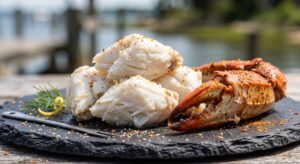
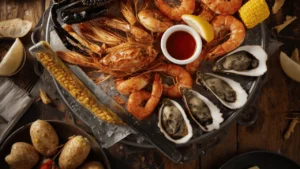
Cravin’ Crabs currently offers Texas Gulf shrimp, steamed mussels, steamed clams, snow crab clusters, lump crab cakes, shrimp salad, crab dip, shrimp bombs, seasonal oysters, steamed corn, and homemade Maryland and cream of crab soups.
That variety gives Baltimore-area customers a way to build a seafood meal around the season.
During crab season, for example, steamed Maryland crabs can remain the centerpiece while shrimp, corn, potatoes, or other seafood provide variety. Outside the local crab harvest season, customers can still enjoy crab offerings alongside other seafood while Cravin’ Crabs sources crabs from Louisiana to maintain year-round availability.
This is especially useful for families or groups where everyone does not want exactly the same thing.
What the 2026 Crab Numbers Tell Us
Seasonality is not only about restaurant menus. Maryland and Chesapeake Bay officials also monitor the health of the blue crab population.
Maryland’s 2026 Winter Dredge Survey estimated total Chesapeake Bay blue crab abundance at approximately 349 million crabs, including an estimated 228 million juveniles, 37 million adult males, and 81 million adult females. The survey is used as a snapshot of the population before the upcoming crabbing season and helps inform management decisions.
Those figures should not be interpreted as a direct measure of what a customer will find at a particular Baltimore seafood business on a particular day. Population abundance, commercial harvest regulations, local weather, water conditions, sourcing, and market supply are separate considerations.
What they do demonstrate is why Maryland maintains specific management rules around blue crab harvesting. Regulations can change, and Maryland’s Department of Natural Resources notes that harvesters are responsible for following the current rules.
For seafood customers, the practical takeaway is simple: crab availability and sourcing can change throughout the year.
Ordering Baltimore Steamed Crabs During and After the Local Season
For customers searching for Baltimore steamed crabs, the easiest approach is to ask what is currently available rather than assuming that the same crab source and size selection will be available every month.
Cravin’ Crabs offers steamed crabs in multiple size categories and also carries live crabs. The current menu lists male crabs from regular through jumbo sizes and female crabs in several categories, with bushels and half bushels available.
The business operates as a carryout seafood destination rather than a dine-in restaurant. Customers can order seafood for takeout and enjoy their crab feast at home.
That model works particularly well for Baltimore-area crab lovers who want to turn an ordinary evening, family gathering, or weekend meal into a Maryland-style seafood feast without needing a traditional sit-down dining experience.
Before placing a large order, it is also sensible to call ahead and confirm current availability, particularly for specific crab sizes or larger quantities.
A Local Crab Season Guide for Baltimore Seafood Lovers
If you want a simple framework for navigating Baltimore crab season, keep these points in mind:
Spring: Maryland’s regulated commercial blue crab season begins April 1, and crab availability begins to reflect the active local harvest period.
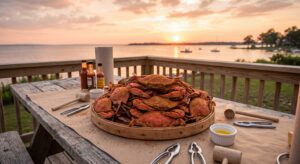
Summer: Warmer months are strongly associated with Maryland crab culture, outdoor crab feasts, steamed crabs, corn, and larger seafood gatherings.
Fall: The Maryland commercial hard-crab season continues through November 30 under the current Chesapeake Bay regulations, with applicable size and harvesting rules.
Off-season: Local Maryland harvesting is no longer operating under the regular season, but that does not necessarily mean Baltimore customers have no crab options. Cravin’ Crabs states that it sources high-quality Louisiana crabs during the off-season to remain open year-round.
Throughout the year, availability can vary by size, sex, source, and market conditions. Calling ahead is the most practical way to confirm what is available when you are ready to order.
Enjoy Maryland Crab Season Your Way with Cravin’ Crabs
The appeal of Baltimore crab season goes far beyond a particular date on the calendar. It brings together Chesapeake Bay seafood traditions, seasonal harvesting, crab sizes, shell condition, preparation, seasoning, and the simple pleasure of cracking open a steamed blue crab.
For local seafood lovers, knowing the difference between the official harvest season and year-round restaurant availability also makes it easier to make informed choices.
At Cravin’ Crabs, customers can choose from steamed Maryland crabs, live crabs, different crab sizes, bushels and half bushels, along with shrimp and other seafood favorites. The business is located at 4609 Annapolis Rd, Halethorpe, MD 21227, serving the Baltimore-area seafood community through its carryout model.
When the crab craving hits, check the current selection, choose the size and style that fits your meal, and bring home a seafood feast worth taking your time with.
Call Cravin’ Crabs at (410) 636-2722 to ask about current crab availability and place your order.