Best Blue Crabs in Baltimore Maryland Crabs and Authentic Crab Houses
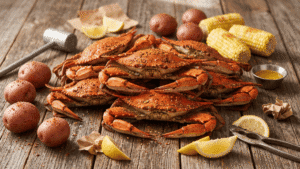
Few foods define a city the way crab defines Baltimore. Here, a Saturday afternoon can mean a long table covered in brown paper, a heap of steaming shellfish dusted with seasoning, and a few hours of cracking, picking, and talking. If you want to taste the blue crabs Baltimore is known for, you’ll need more than a restaurant name. You’ll need to know what to look for, when to go, and how to eat them once they land on the table.
This guide covers all of it. You’ll learn how to spot quality, where to shop, how the seasons change prices, and how to enjoy the Maryland crabs Baltimore families have been steaming for generations.
Why Baltimore Is Crab Country
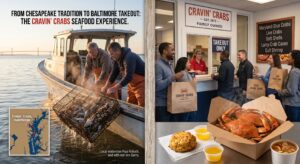
Baltimore sits on the northern edge of the Chesapeake Bay, a huge, shallow estuary that provides ideal conditions for the Atlantic blue crab. Watermen have harvested crabs here for more than a century, and the tradition runs deep. Many families have a favorite spot, a favorite seasoning, and a strong opinion on the right way to pick a crab.
That pride shows up everywhere: in corner carryouts, on picnic tables in backyards, at church fundraisers, and at neighborhood festivals. Crab is the unofficial food of summer in this city, and the people who serve it take it seriously.
Meet the Chesapeake Blue Crab
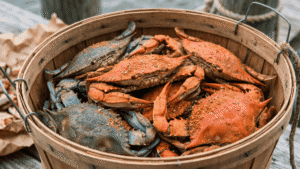
Before you order, it helps to know what you’re eating. The blue crab gets its name from the bright blue tint on its claws, though once steamed, the shell turns a deep orange-red. The meat is sweet, flaky, and mild, which is why so many people say it needs nothing more than a little seasoning and some patience.
Hard Shell vs. Soft Shell
Most crabs served at a classic crab feast are hard shell, which means you’ll be cracking and picking. A soft shell crab has just molted, so the whole crab can be eaten, usually fried or sauteed. Soft shells show up in late spring and early summer and are a treat worth trying at least once.
Males, Females, and Size
Male crabs, called jimmies, are often larger and meatier. Mature females, called sooks, have a rounded apron on the belly. Sellers typically sort crabs into medium, large, and jumbo. If you’re a beginner, large crabs are easier to handle and give you a good return on your effort.
Where to Buy Fresh Blue Crabs Baltimore Shoppers Swear By
There are three main ways to get your crabs, and the best choice depends on your group, your budget, and how much mess you’re willing to make.
Sit-Down Restaurants and Waterfront Spots
If you want the full experience, with a mallet, a pitcher, and a view, a sit-down restaurant is the way to go. Waterfront locations in areas like the Inner Harbor, Canton, and Fells Point are popular with visitors and offer a scenic backdrop. Expect higher prices and busier tables on summer weekends, so book ahead.
Carryout Counters
Carryout shops are where many locals actually get their crabs. You call in your order, pick up a hot bag, and head home to eat on the porch or at a family cookout. It’s usually cheaper than dining in, and you can control the pace of the meal.
Seafood Markets and Live Crabs
If you like to cook, seafood markets sell live crabs by the dozen or bushel. Steaming at home is easy: layer the crabs in a large pot with a rack, add a mix of water and vinegar (some people add beer), season each layer generously, and steam until the shells turn bright red-orange. It takes about 20 to 30 minutes, depending on the size.
What Makes a Great Crab House Baltimore Locals Love
Not every spot with a crab on the sign deserves your money. A good crab house Baltimore diners return to year after year usually has a few things in common.
- Crabs are steamed to order. Pre-steamed crabs that sit under a heat lamp lose moisture and flavor.
- The seasoning is generous but balanced. You should taste the crab first and the spice second.
- The crabs feel heavy. Heavy crabs are full of meat. Light ones are often watery.
- Staff can tell you the size and origin. A confident answer about where the crabs came from is a good sign.
- The place is busy. A steady crowd means fast turnover and fresher inventory.
- The setup is practical. Paper on the tables, plenty of napkins, and mallets within reach tell you the kitchen cares about the real experience.
Decor matters less than you’d think. Some of the best spots are small, worn, and loud, and nobody minds.
The Crab Season Calendar
Timing matters more than most visitors realize. The Chesapeake crabbing season generally runs from spring into late fall, but the quality and price shift along the way.
- April and May: The season opens. Crabs are often smaller and lighter, and prices tend to be high.
- June: Soft shells appear, and crabs start getting heavier.
- July through September: This is the sweet spot. Supply is strong, crabs are full, and prices are usually most reasonable.
- October and November: Many seasonal operations slow down. Late-season crabs can be excellent, but availability gets spotty.
If you want authentic Maryland crabs Baltimore restaurants serve straight from local waters, aim for mid-summer. Outside the season, some places bring in crabs from other regions, which can still taste good but won’t be the same thing. Don’t be shy about asking.
How Much Do Crabs Cost?
Crab pricing is based on the market, which means there’s no fixed number. The price depends on size, supply, the time of year, and whether you’re eating in, taking out, or cooking at home. A dozen jumbos will cost much more than a dozen mediums.
When you’re shopping for blue crabs Baltimore sellers price by the dozen, always ask what that day’s rate is. A few easy ways to save:
- Buy by the dozen or half bushel. Larger quantities typically cost less per crab.
- Choose large over jumbo. You get a lot of meat without the premium.
- Visit in peak season. More supply means better pricing.
- Compare carryout and dine-in. Carryout is often the budget-friendly choice.
How to Eat a Steamed Crab
New to crab picking? Follow these steps:
- Twist off the claws and legs. Set them aside for later.
- Remove the apron. Pull the flap on the belly and discard it.
- Lift off the top shell. Use your thumb to pry it up from the back.
- Clean the body. Remove the gills (the feathery parts) and rinse away the yellow mustard if you prefer.
- Snap the body in half. The lumps of meat are inside the chambers.
- Pick the meat. A small knife helps, but fingers work fine.
- Crack the claws gently. A light tap with a mallet is all you need.
Slow down and enjoy it. A proper crab feast is about the company as much as the meal.
What to Eat Besides Steamed Crabs
Crab doesn’t stop at the steamed pile. Baltimore menus feature a whole range of dishes worth trying:
- Crab cakes, ideally mostly lump meat with very little filler
- Cream of crab soup and Maryland crab soup, a tomato-and-vegetable version
- Crab dip, served hot with crackers or bread
- Crab pretzels and crab fries, a casual local favorite
- Soft shell crab sandwiches, when in season
For many visitors, trying a mix of these dishes is the best way to understand how deeply crab runs through the local food scene.
Common Mistakes to Avoid
- Showing up without calling ahead. Hours and availability change often, especially at the start and end of the season.
- Ordering too many at once. It’s easy to overorder. Start with a half dozen per person and add more if needed.
- Waiting too long to eat. Crabs are best hot. If you take them home, eat them right away.
- Skipping the questions. Ask about size, price, and where the crabs came from. Any good crab house Baltimore customers trust will be happy to answer.
- Wearing your nicest clothes. Crab feasts are messy. Dress accordingly.
Frequently Asked Questions
What is the best time of year to eat crab in Baltimore?
Mid-summer, from July through September, is generally the best window. The crabs are heavier, supply is steady, and prices are typically more reasonable than in spring.
How many crabs should I order per person?
Half a dozen large crabs is a good starting point for most adults. Hearty eaters may want a full dozen. If you’re adding sides like corn, soup, or crab cakes, you can order fewer.
Are the Maryland crabs Baltimore restaurants serve always local?
Not always. In peak season, many restaurants and markets serve crabs caught in the Chesapeake Bay. During the off-season, some source crab from other regions. If local crab matters to you, ask before you order.
How do I choose a good crab house Baltimore visitors will enjoy?
Look for places that steam to order, season well, and stay busy. Ask about crab size and sourcing, and read recent reviews for notes on freshness and service. Calling ahead is also smart, since availability can change daily.
Can I bring crabs home as a gift or souvenir?
Some shops will pack steamed crabs for travel, but they’re best eaten fresh. If you’re flying, ask the seller about proper packing, and check airline rules before you go.
Final Thoughts
Finding great crab in this city comes down to a handful of smart choices. Go during peak season, look for busy shops that steam to order, ask questions about size and sourcing, and give yourself plenty of time to enjoy the meal. Whether you’re chasing the best blue crabs Baltimore can offer on a hot August evening or looking for a welcoming crab house Baltimore families have trusted for years, the experience is about more than the food. It’s about slowing down, getting your hands messy, and sharing a table with people you like.
So grab a mallet, spread out the paper, and dig in. Your next plate of Maryland crabs Baltimore style is waiting.